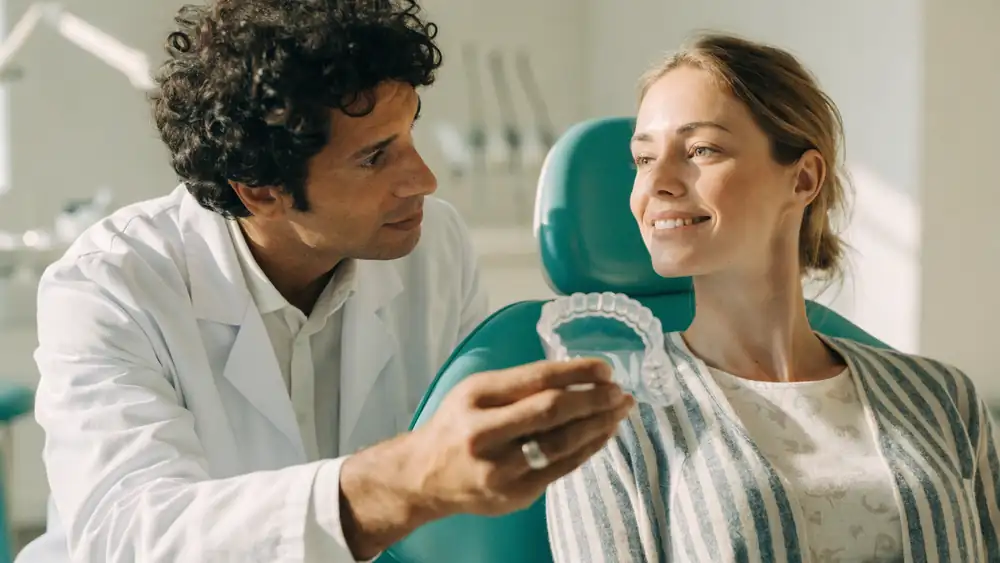
If you’ve ever paused before buying a whitening kit and wondered, is teeth whitening safe for my enamel?—you’re asking exactly the right question. It’s one of the most common concerns we hear at My Smiles USA, and it’s a smart one. The good news: professional teeth whitening is considered safe and effective when it’s done correctly and supervised by a dental professional. The nuance is in that phrase “done correctly.” Below, we’ll walk through how whitening actually works, what the science says about enamel, why some people feel temporary sensitivity, and how to brighten your smile without putting your teeth at risk.

The Short Answer: Yes—When It’s Done Correctly
Professional whitening uses peroxide-based gels (hydrogen peroxide or carbamide peroxide) that have been studied for decades and are widely accepted by the dental community as safe for the vast majority of healthy adults. When whitening is guided by a dentist—who checks your teeth and gums first, uses an appropriate concentration, and protects your soft tissues—the risks are low and any side effects are usually mild and temporary. Problems tend to show up when people overuse strong store-bought products, leave gels on far longer than directed, or whiten teeth that have untreated cavities or gum issues.
How Professional Teeth Whitening Works
Whitening gels work by releasing oxygen molecules that break apart the stain compounds trapped inside your enamel and the layer beneath it (dentin). Think of it as lifting color out of the tooth rather than scraping anything off the surface. The peroxide penetrates the microscopic pores of the enamel, reacts with the discolored molecules, and leaves the tooth structure itself intact. That’s a key point: whitening changes the color of your teeth, not the strength of your enamel.
Does Whitening Actually Damage Enamel?
This is the heart of the question. Research generally shows that professionally applied, peroxide-based whitening does not weaken or erode healthy enamel when used as directed. Enamel is the hardest substance in your body, and controlled whitening gels are formulated to work within safe limits. Many professional products also include ingredients that help support enamel and reduce sensitivity during treatment.
Where trouble can start is with misuse—highly concentrated gels used too often, DIY “hacks” involving acidic household ingredients, or abrasive charcoal products that can physically wear the surface down over time. That’s why having a dentist involved matters: we tailor the strength and frequency to your teeth instead of guessing.
What About Tooth Sensitivity?
The most common side effect of whitening is temporary tooth sensitivity—a brief zing to cold or air that typically fades within a day or two after treatment. This happens because the whitening process can momentarily open the tiny channels in the tooth, not because your enamel has been damaged. Sensitivity is usually manageable with a few simple steps:
- Using a toothpaste made for sensitive teeth for a week or two before and after whitening.
- Avoiding very hot or very cold foods right after treatment.
- Spacing out sessions rather than whitening every day.
- Letting your dentist adjust the gel concentration if you’re prone to sensitivity.
In-Office vs. At-Home vs. Store-Bought Whitening
Not all whitening is created equal, and the safety picture varies by method:
- In-office professional whitening: The strongest and most controlled option. Your dentist protects your gums, applies a professional-grade gel, and monitors the whole process—giving you noticeable results in a single visit with careful oversight.
- Dentist-provided take-home kits: Custom-fitted trays and professional gel you use at home on your own schedule. Because the trays fit your teeth precisely, the gel stays where it should and off your gums.
- Over-the-counter strips and kits: Convenient and lower in strength, but the one-size trays and lack of professional guidance make it easier to irritate gums or overuse the product.
If you want the reassurance of a professional in your corner, our team offers whitening as part of our cosmetic dentistry services, tailored to your smile and your comfort level.
Who Should Talk to a Dentist First
Whitening is safe for most people, but a quick checkup beforehand is wise if any of the following apply to you. Untreated cavities, gum disease, worn enamel, or exposed roots can all make whitening uncomfortable or less effective until they’re addressed. Whitening also doesn’t change the color of dental work like crowns, veneers, or fillings, so if you have visible restorations, it’s worth discussing what results to expect. Pregnant or nursing patients are usually advised to wait, and children’s teeth are handled differently. A brief exam lets us make sure whitening is the right move—and that your smile looks even, not patchy.
How to Whiten Safely: A Dentist’s Checklist
- Start with a dental cleaning and exam so you’re whitening healthy teeth.
- Choose professional-grade products or dentist-supervised kits over unregulated online gels.
- Follow the instructions exactly—more time on the teeth doesn’t mean better results.
- Skip acidic DIY “whitening” trends and abrasive charcoal scrubs.
- Maintain your results with good daily brushing, flossing, and limiting staining foods and drinks.
Frequently Asked Questions
Is teeth whitening safe for your enamel?
Yes. Professional, peroxide-based teeth whitening is considered safe for healthy enamel when used as directed. Whitening lifts stain molecules out of the tooth rather than removing enamel, so it changes the color of your teeth without weakening their structure. Problems mainly arise from misuse of strong store-bought products or abrasive DIY methods.
Does teeth whitening hurt?
Most people feel little to no discomfort. Some experience temporary tooth sensitivity to cold or air for a day or two afterward, which usually resolves on its own. Using a sensitivity toothpaste and letting your dentist adjust the treatment can make it even more comfortable.
How long do teeth whitening results last?
Results vary from person to person and depend on your habits. Many people enjoy a brighter smile for several months to a couple of years. Coffee, tea, red wine, and tobacco speed up new staining, while good oral hygiene and occasional touch-ups help results last longer.
Is professional whitening better than over-the-counter kits?
Professional whitening is stronger, faster, and safer because a dentist protects your gums, customizes the treatment, and screens for any issues first. Over-the-counter kits can work but are lower in strength and easier to misuse, which can lead to gum irritation or uneven results.
Can I whiten teeth with crowns or veneers?
Whitening only affects natural tooth enamel—it won’t change the color of crowns, veneers, bonding, or fillings. If you have visible dental work, talk with your dentist so your whitening plan keeps your smile looking even and natural.
Ready for a Brighter, Healthier Smile?
You don’t have to choose between a whiter smile and a healthy one—with professional guidance, you can have both. At My Smiles USA, we offer gentle, judgment-free care and personalized whitening at our Milwaukee office (6719 W Capitol Dr) and our Racine office (4915 Washington Ave, Suite B). New patients can get started with our $99 new-patient special—a complete exam, X-rays, and cleaning—often with same-week availability. Explore our cosmetic dentistry options and let’s find the safest, brightest path for your smile. Call or book online today, and smile with confidence.
This article is for general educational purposes and isn’t a substitute for personalized dental advice. Your dentist can recommend the safest whitening approach for your individual smile.